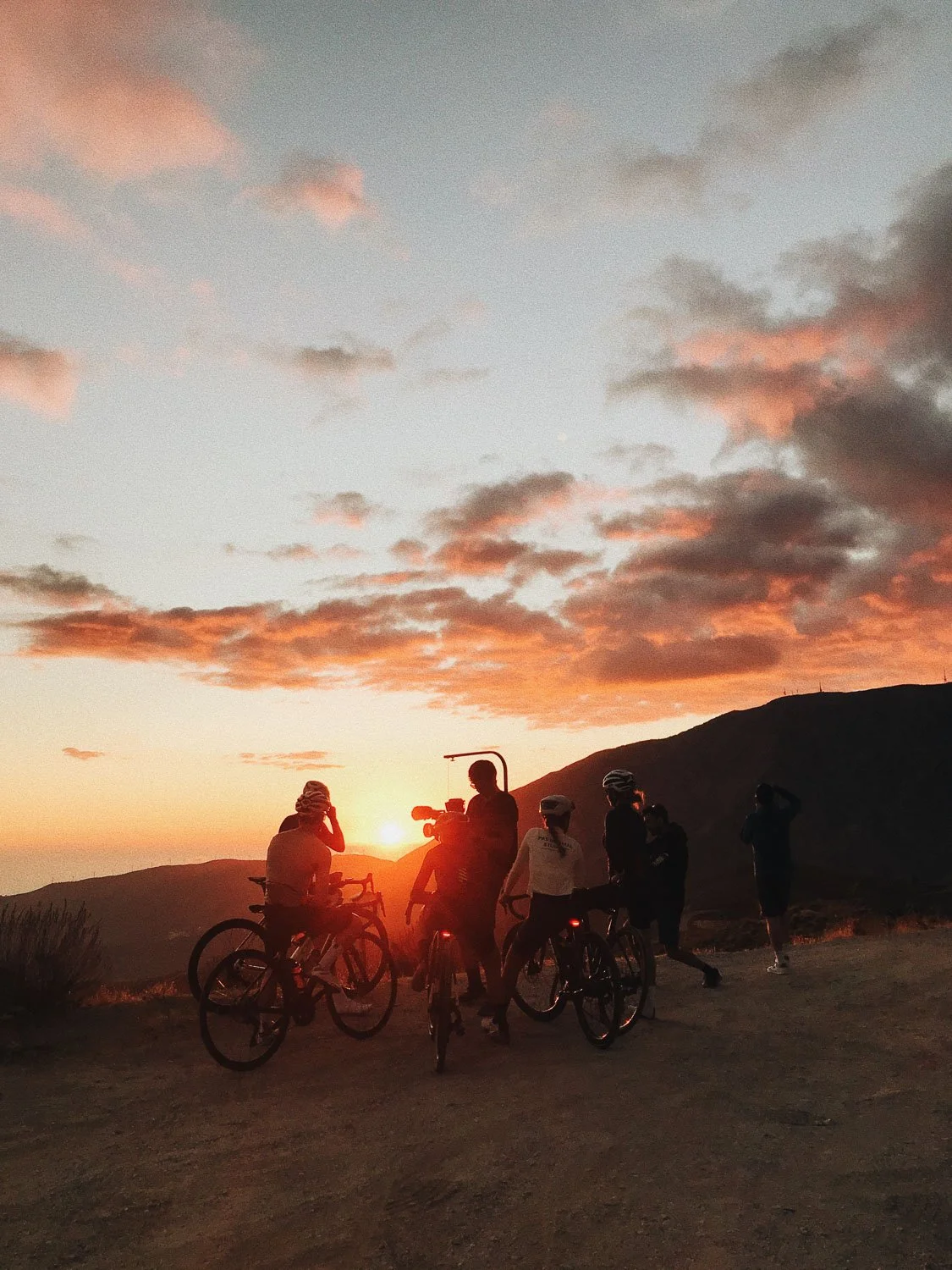
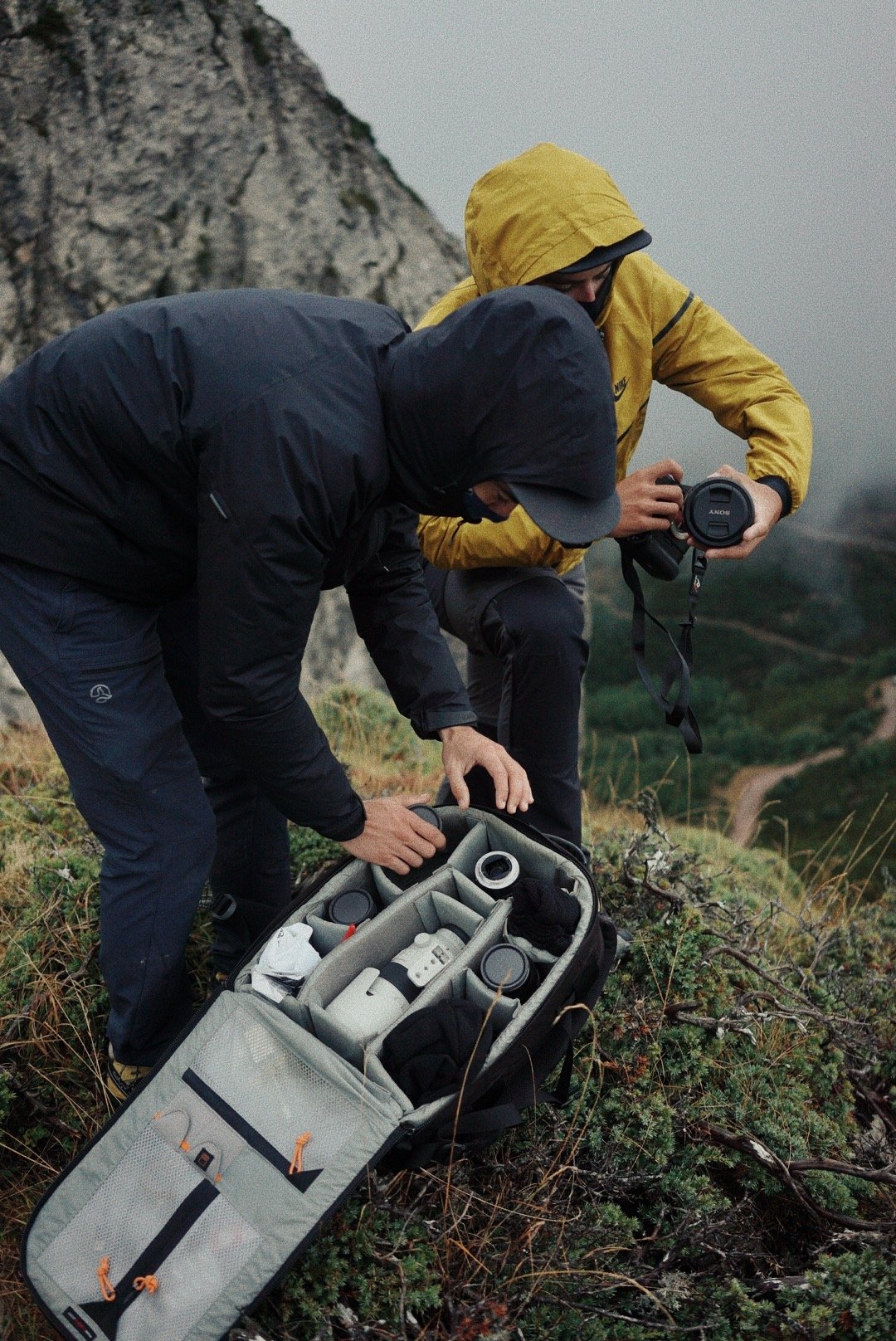
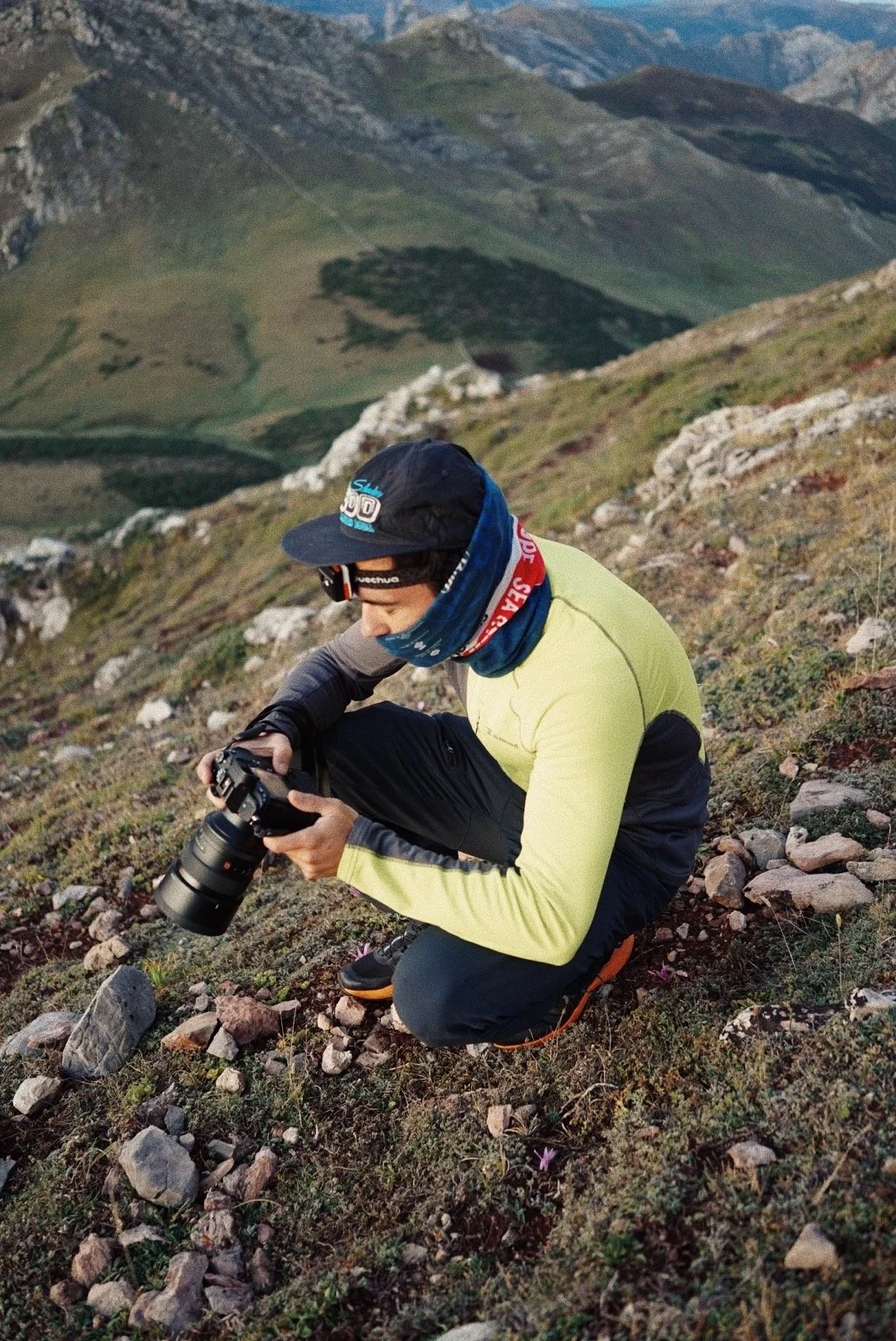
The process behind the images
Every great project is a consecuence of a nicely tailored secuence of steps. There is no good images without a good understanding and feeling among client and creator, that´s why is so important to build up a good base to work together. This base must be filled with understanding, trust, and knowledge of each other responsabilities and must be the common ground we are going to play on.
In this page I will guide you through my working process to make every project a success.
Finding common ground
When a client knocks on the door with an idea for a project or a new campaign, the first thing I like to do is find the common ground we’ll work from. This means carefully understanding what’s on their mind, what the project needs, the final goal, and whether I’m the right fit. This assessment usually happens over a coffee or a video call, because there’s nothing like getting a real feel for each other to see if we’re a good match.
Once we’ve gone through your idea and put all the cards on the table, it becomes much easier to get on the same page, build a team of professionals if the project requires it, or find the most efficient solution to bring your vision to life.
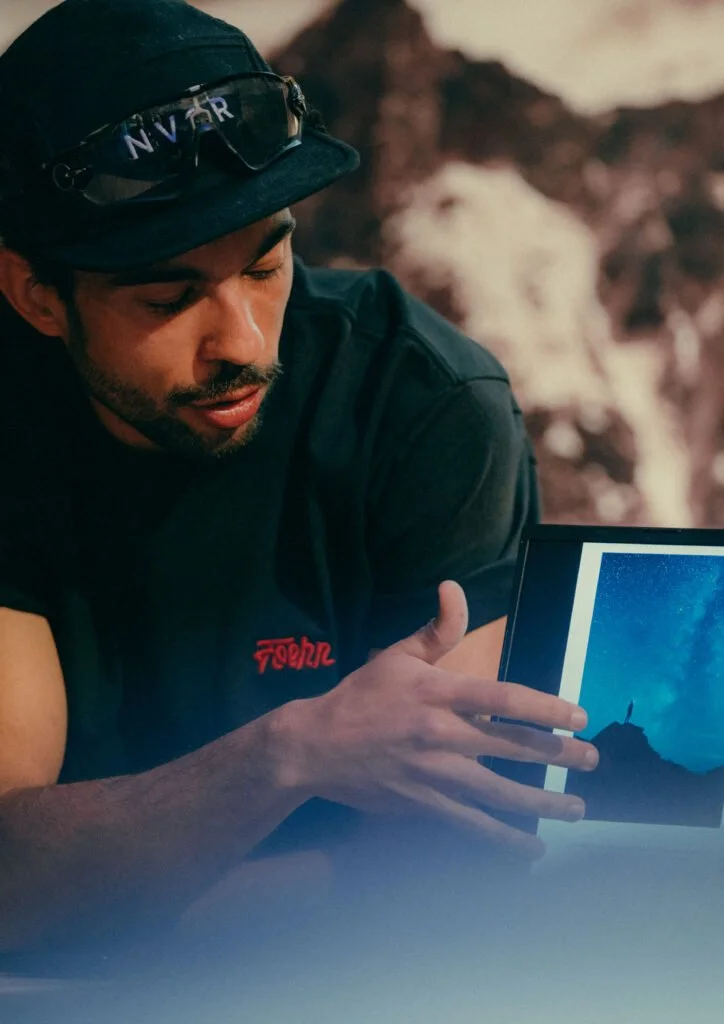
What I love most about this stage is the opportunity to be honest with each other and share references and ideas that will ease the rest of the process. Understanding what you like—or what you might like—and connecting it with references from my previous work helps shape a clear vision of the next steps to follow.
Shaping the project
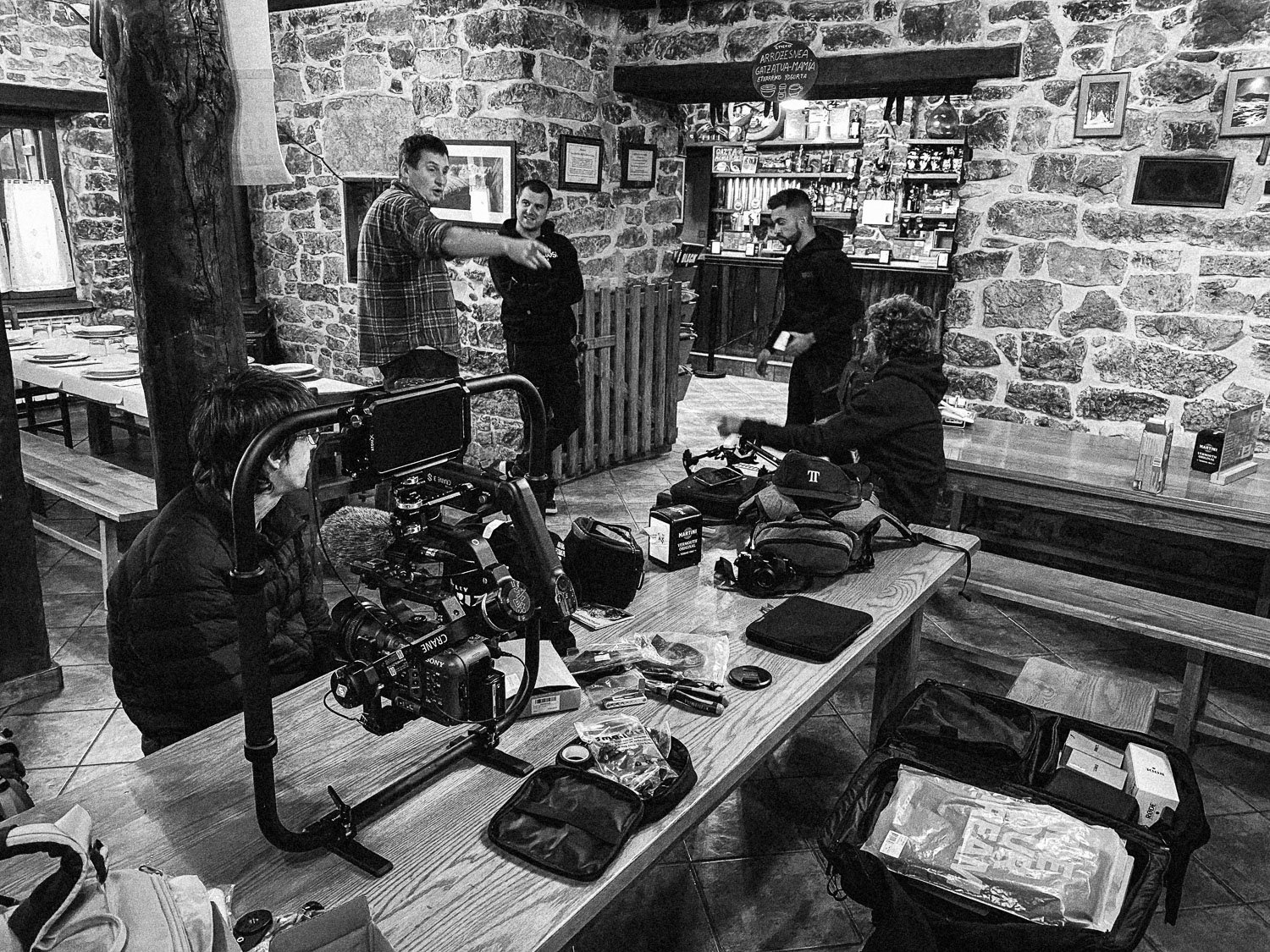
Once we’ve defined the vision for your project, we’ll jump straight into the pre-production phase. This is one of the most important stages, as it’s where all the details are grounded and any potential “problems” are identified and sorted out. At this point, I like to work with interactive documents that evolve as we move forward in the process covering logistics, locations, models, deliverables, and team needs.
This is also where we size your project in numbers, making it tangible and real. Since every project has different needs and resources, this phase helps us understand what’s possible and what we should leave behind. This selection of possibilities is what ultimately determines the success of the entire project.
Once all of this is in place, the next step is to jump into action.
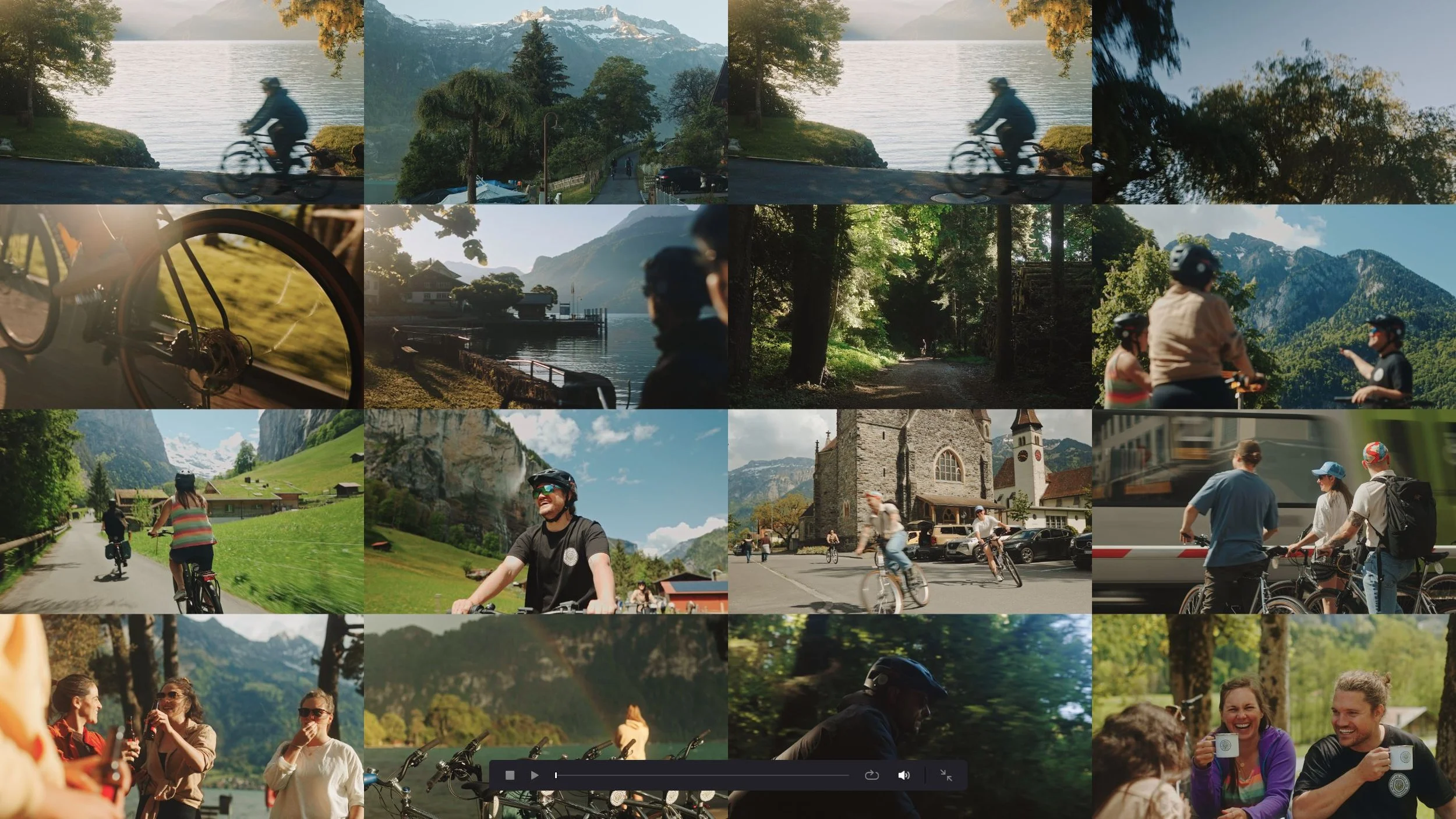
Envision the references and the needs of the project are key for its success
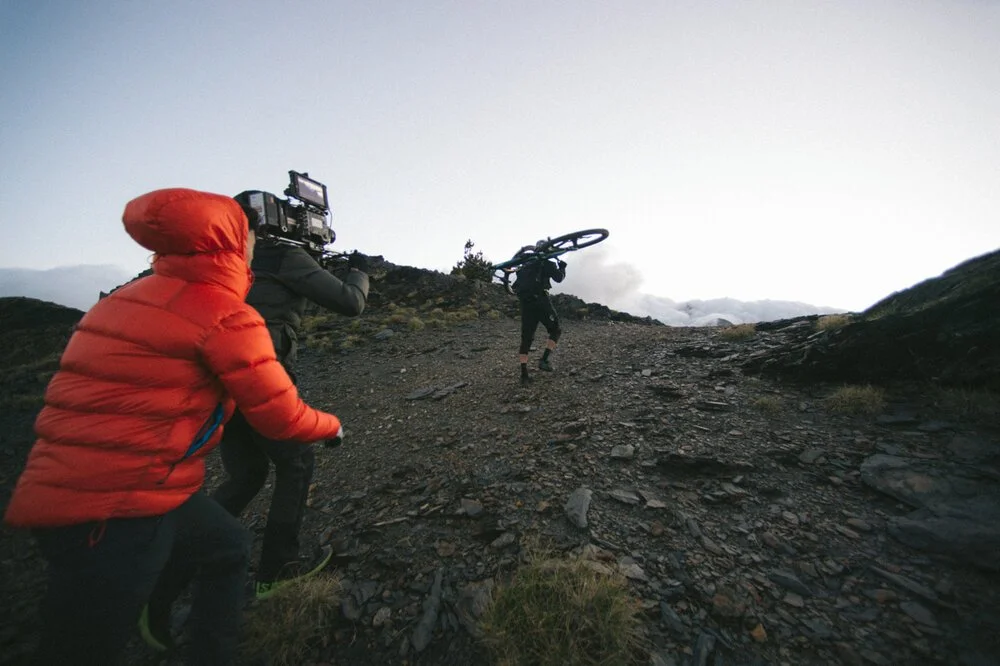
Straight into action
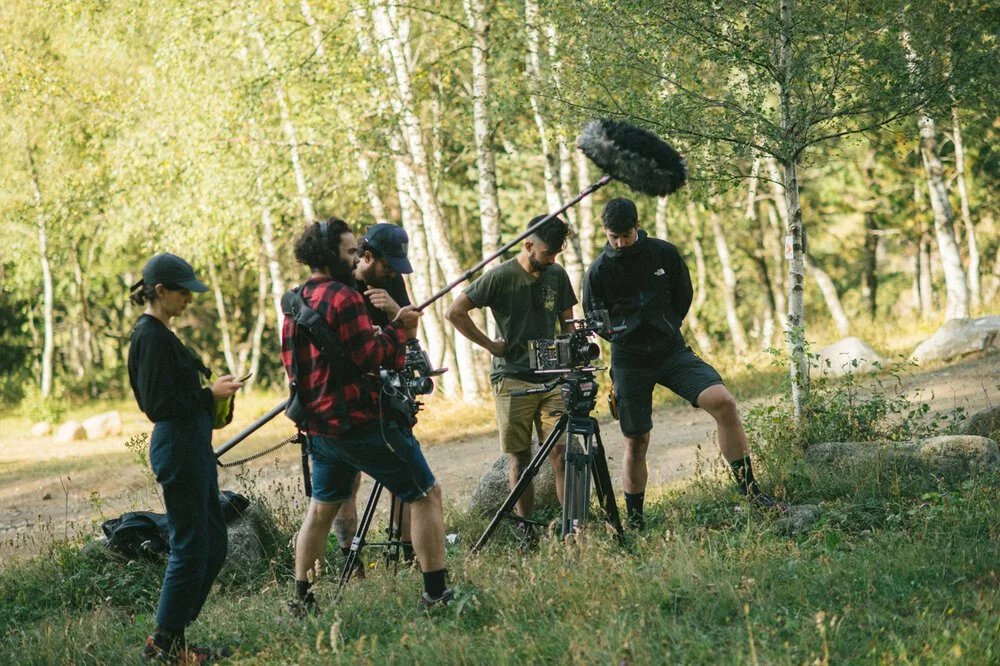
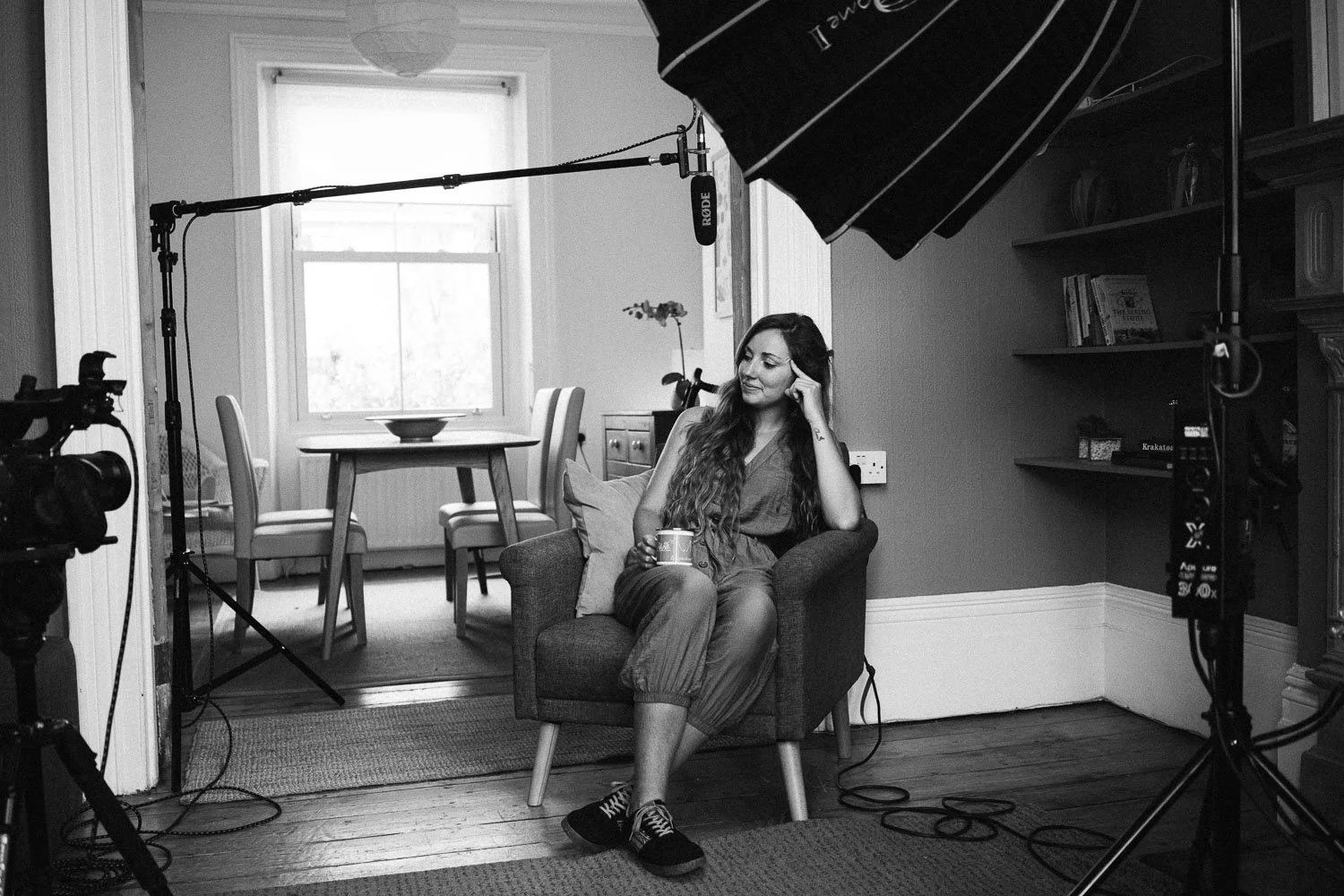
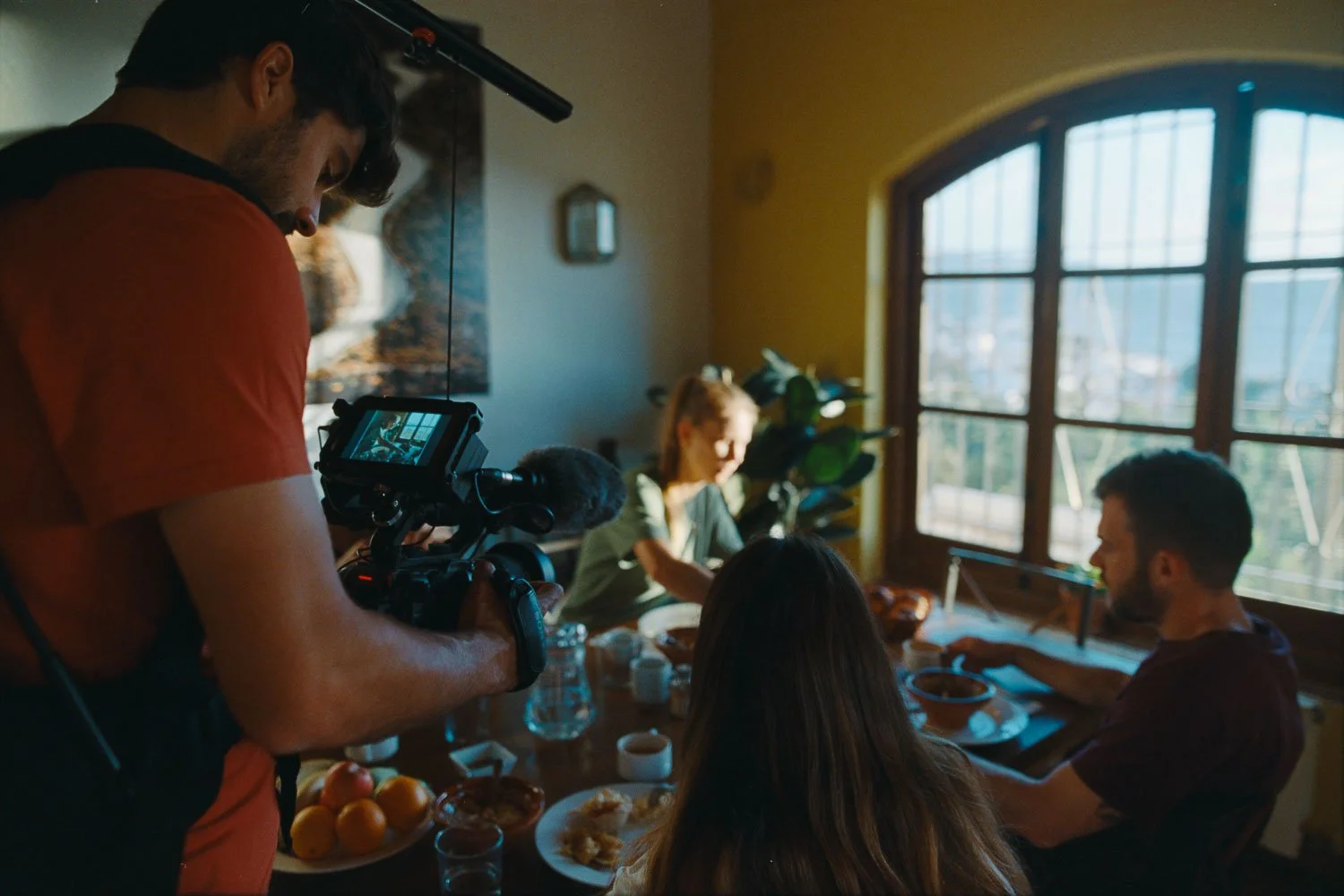
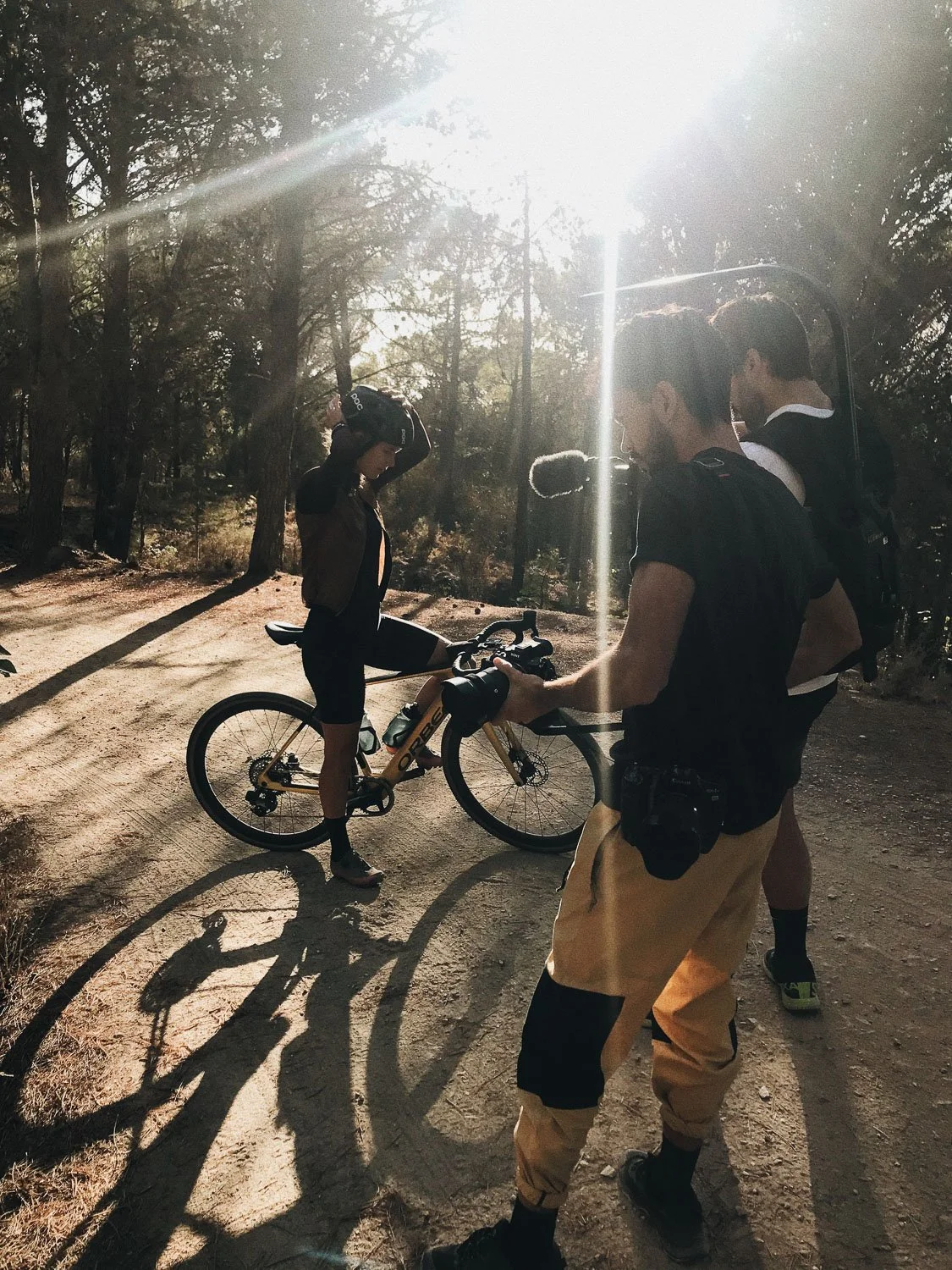
This is the part we all love the most where the magic happens and all the previous work comes to life in a smooth and natural way.
Here, everything that was planned finds its place through checklists, and those iconic images start to align with our vision.
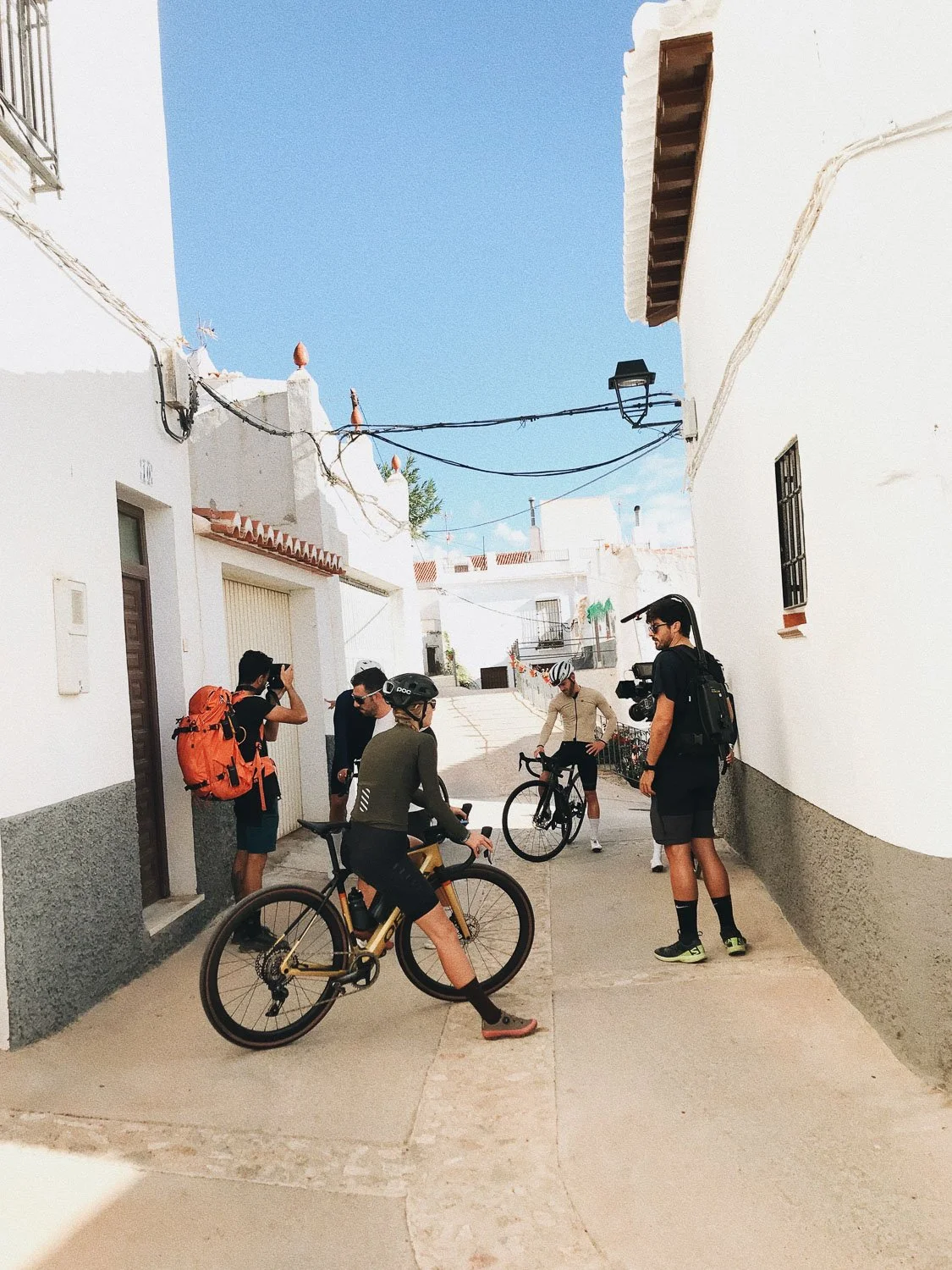
This is also where having a strong team of enthusiastic professionals really makes the difference, turning the process into a pleasant journey through the world of image creation.
It’s not just about pressing the shutter. Good timing, forecasting, previous scouting, and a resolute mindset are what make this challenging moment feel like a flowing river, with no sharp rocks along the way.
As a client, you should be able to fully enjoy the process, while my team and I take full responsibility for turning these unique moments into the powerful images you envisioned for your campaign.
The final stage
After all the work is done, the final stage consists of polishing the material to deliver the best possible images to you.
This phase is commonly known as “editing,” and it’s where selection, color grading, and a solid understanding of different formats and uses can really make the difference.
In this last part of the process, as in all the others, clear communication and mutual understanding are essential.
Editing should be seen as the final shaping of the project, not as a magic room. What wasn’t defined in the briefing can’t be created, and the challenges we faced during the shoot will naturally set certain limits at this stage.
Understanding this allows us to focus on what we’ve achieved so far and make the most of it. If it’s a photography project, this phase is usually shorter and easier to bring to the finish line.
For video projects, you should expect at least a couple of rounds of revisions and feedback to help the final piece take its proper shape.
Personally, I prefer to deliver slightly ahead of the final deadline whenever possible, so the project has time to breathe before being published.
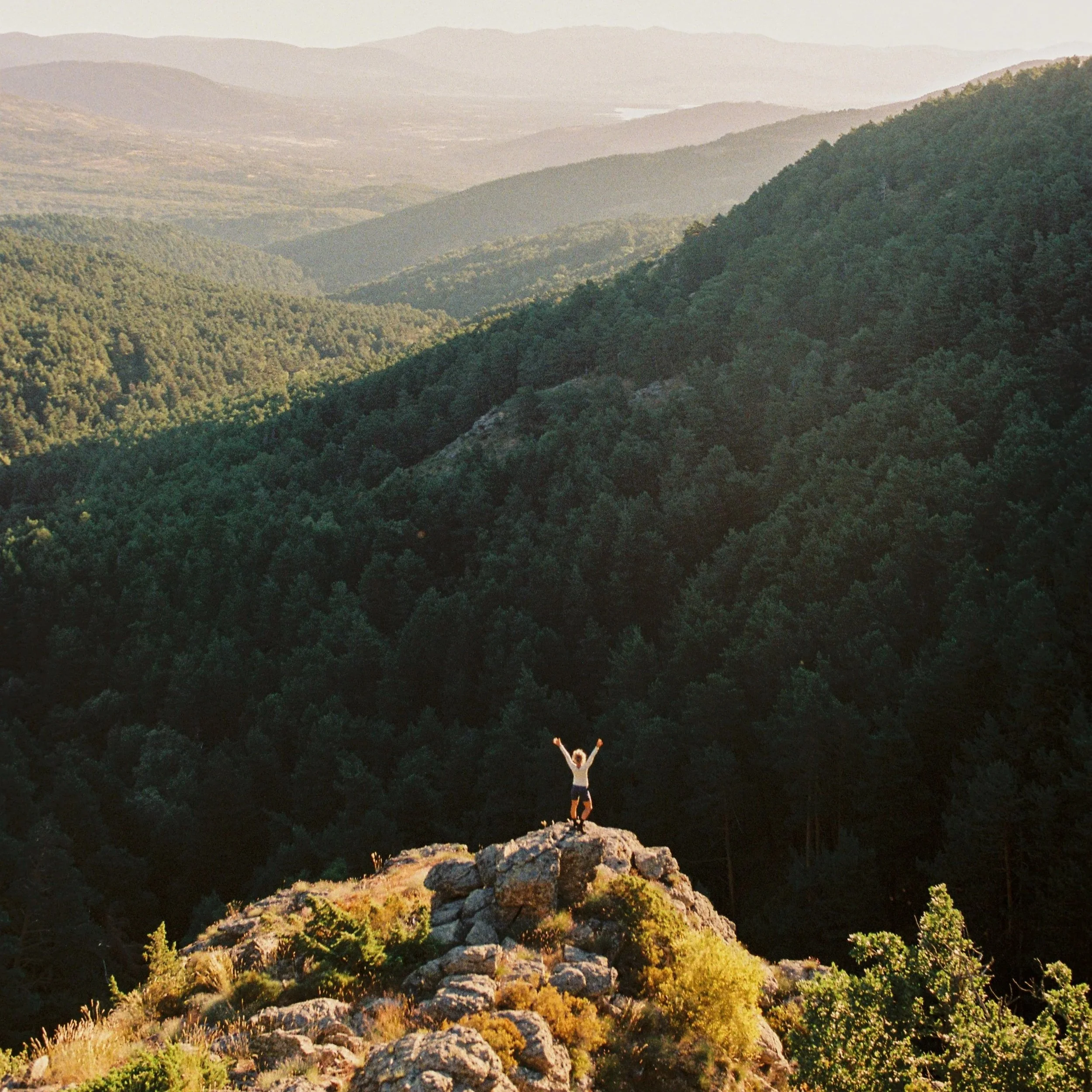
If you have reached so far hopefully you have a better understanding about what involves to work together, I cant way to hear from you and make your vision a reality.